Forklift Capacity and Load Center: Understanding the Basics
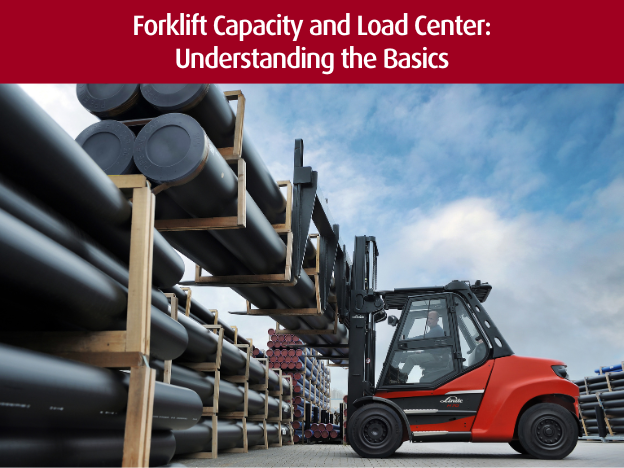
In the bustling world of material handling, forklifts are the unsung heroes, tirelessly lifting and moving heavy loads with precision. However, to ensure everything runs smoothly and safely, it’s essential to grasp two key concepts: forklift capacity and load center. As a leader in forklift manufacturing, Linde Material Handling is here to guide you through these important factors to help you choose and operate the right equipment for your needs.
Forklift Capacity: The Foundation of Safe Lifting
Forklift capacity is all about understanding how much weight your forklift can safely lift and move. This capacity depends on the forklift’s design, including its counterweight, mast structure, and hydraulic system. Linde Material Handling offers a variety of forklifts with different capacities to fit various industrial needs:
- Electric Forklifts: Linde’s electric forklift trucks range from 1,000 to 8,000 kg in capacity. They’re designed for precision and agility, making them perfect for indoor operations where advanced technology is a must.
- Diesel Forklifts: Known for their strength and efficiency, Linde’s diesel forklift trucks are built to handle heavy loads outdoors, providing top-notch productivity for tough tasks.
Read More: Electric Forklift Innovation: How Linde Material Handling Is Shaping the Future of Intralogistics
Trusting in Linde means investing in equipment that supports your goals while keeping safety at its core is a win-win for any business striving for excellence in material handling! Contact us at 1800 270 1123 or visit the company’s website www.lindemhe.com for more information on solutions we offer that are tailored towards your material handling needs.
Read More Blogs:
- The Importance of Ergonomics in Forklift Design: Keeping Operators Safe and Productive
- The Rise of Battery-Operated Pallet Trucks (BOPT): Cost-Effective and Sustainable Material Handling
- Embracing Sustainability in Material Handling: How Electric Forklifts Reduce Your Carbon Footprint
- How Automation is Revolutionizing Material Handling in 2026